
World’s largest oyster reef restoration completed
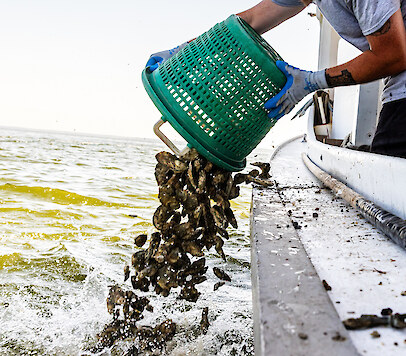
In 2025, the Chesapeake Bay Program partners celebrated a major outcome of restoring oyster reefs in Chesapeake Bay. Since 2014, 11 bay tributaries in Maryland and Virginia restored and protected approximately 2400 acres of oyster reef habitat. Over 7.5 billion oysters were planted throughout this effort.
While the project as defined in 2014 was completed, it is just one step in restoring Chesapeake Bay oyster populations. Oysters are an important commercial and recreational fishing species. They also filter the water of the bay and their reefs provide habitat for fish, crabs, and other species. UMCES is working with partners to include oysters, along with other fisheries indicators, in future report cards.
Sewage spill further endangers Potomac River
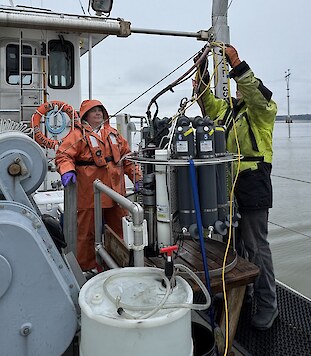
In January 2026, a sewer pipe collapsed in Montgomery County, MD, near Washington, D.C., resulting in one of the largest sewage spills in U.S. history. About 240 to 300 million gallons of raw sewage containing bacteria, excess nutrients, and a foul odor flowed into the Potomac River. Water monitoring showed that bacteria levels were hundreds of times higher than normal.
The spill was eventually contained, and drinking water was not affected, but political, economic, and environmental consequences remain. There were shellfish closures, recreational use advisories, property contamination, business disruptions, and a loss of public trust.
The Potomac River sewage spill is not reflected in the grades of the 2026 report card, but any effects of the spill on water quality can be expected in the 2027 report card. Current bacteria counts along the spill site can be found at potomacinterceptor.dc.gov.